The Overlooked Power of Project Management in Engineering
Why the discipline that keeps a project organized is, quietly, also a security and quality discipline
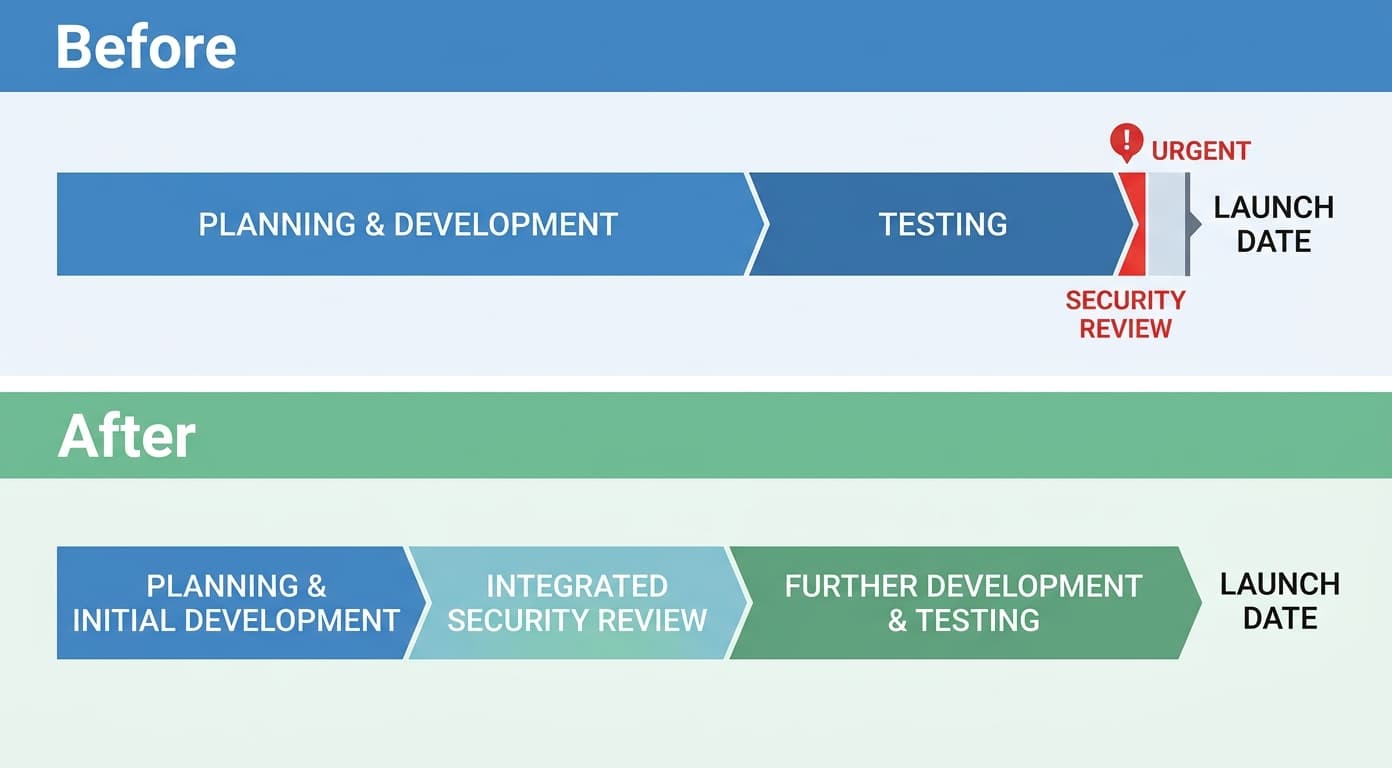
Project management tends to get a lukewarm reception from engineers, and I understand why. A lot of people's first exposure to it is a poorly run standup meeting that adds no value, a status-tracking tool nobody actually looks at, or a project manager who seems to exist purely to ask 'is it done yet' without understanding what 'it' involves. Bad project management is real, and engineers are right to be skeptical of it. But good project management is one of the most underrated force multipliers available to any engineering team, and it has a much more direct relationship to security and quality than most people give it credit for.
I want to make the case in this post that project management, done well, isn't a layer of overhead sitting on top of the real engineering work. It's the discipline that decides whether the practices covered earlier in this series, input validation, vulnerability management, an organized development process, actually happen consistently, or quietly get skipped whenever a deadline gets tight.
What good project management actually does
I've come to this view partly through watching projects fail for reasons that had nothing to do with anyone's technical ability. The engineering was often sound; what was missing was someone whose job it was to notice, early, that two teams were making conflicting assumptions about a shared dependency, or that a launch date had been set before anyone had actually estimated how long the security review would take. Those are project management failures, not engineering failures, and they're exactly the kind of failure that a strong project management discipline exists to prevent.
Stripped of the jargon and the specific methodology a team happens to use (Scrum, Kanban, something homegrown), the core function of project management is remarkably simple: making sure the right work happens in the right order, that everyone involved knows what's expected of them and by when, and that risks and dependencies are surfaced early enough to do something about them, rather than discovered the week before a launch. None of that sounds glamorous. All of it is foundational to whether a project succeeds.
A project manager who's doing this well is constantly asking questions that individual contributors, heads-down in their own piece of the work, often don't have the vantage point to ask: does this feature depend on something another team hasn't started yet? Has the security review been scheduled, or is it going to become a last-minute scramble the week before release? Does the timeline actually reflect how long testing takes, or does it assume testing happens instantly and for free? These questions aren't about micromanaging engineers. They're about surfacing risk while there's still time to respond to it, which is precisely the same instinct that makes a good security practice effective.
A good project manager asks the same question a good security practice asks: is this risk surfacing early enough to do something about it?
It's worth acknowledging the flip side of this too: project management done poorly can actively work against security rather than merely failing to support it. A project manager under pressure to hit a date, who treats every raised concern as an obstacle to be managed away rather than a risk to be genuinely evaluated, teaches their team that raising concerns is unwelcome. Over time, engineers on that team learn not to bother flagging the security review that's falling behind, or the corner that's quietly being cut, because past experience has shown that doing so gets them labeled as blockers rather than thanked for catching a real problem. Good project management and psychological safety are more closely linked than they might first appear: the risks project management is supposed to surface only get surfaced if the people closest to the work actually believe raising them will be welcomed rather than punished.
The direct line from project management to security
It's worth being explicit about why this connects so directly to the earlier posts in this series. Every security practice discussed so far, rigorous input validation, disciplined vulnerability management, an organized development process, requires time and attention that has to be planned for, not squeezed in as an afterthought once everything else is finished. A security review that isn't on the project timeline doesn't happen on its own; it gets skipped, or rushed, or discovered as a blocker only once it's already too late to address properly without delaying a launch that's already been publicly committed to.
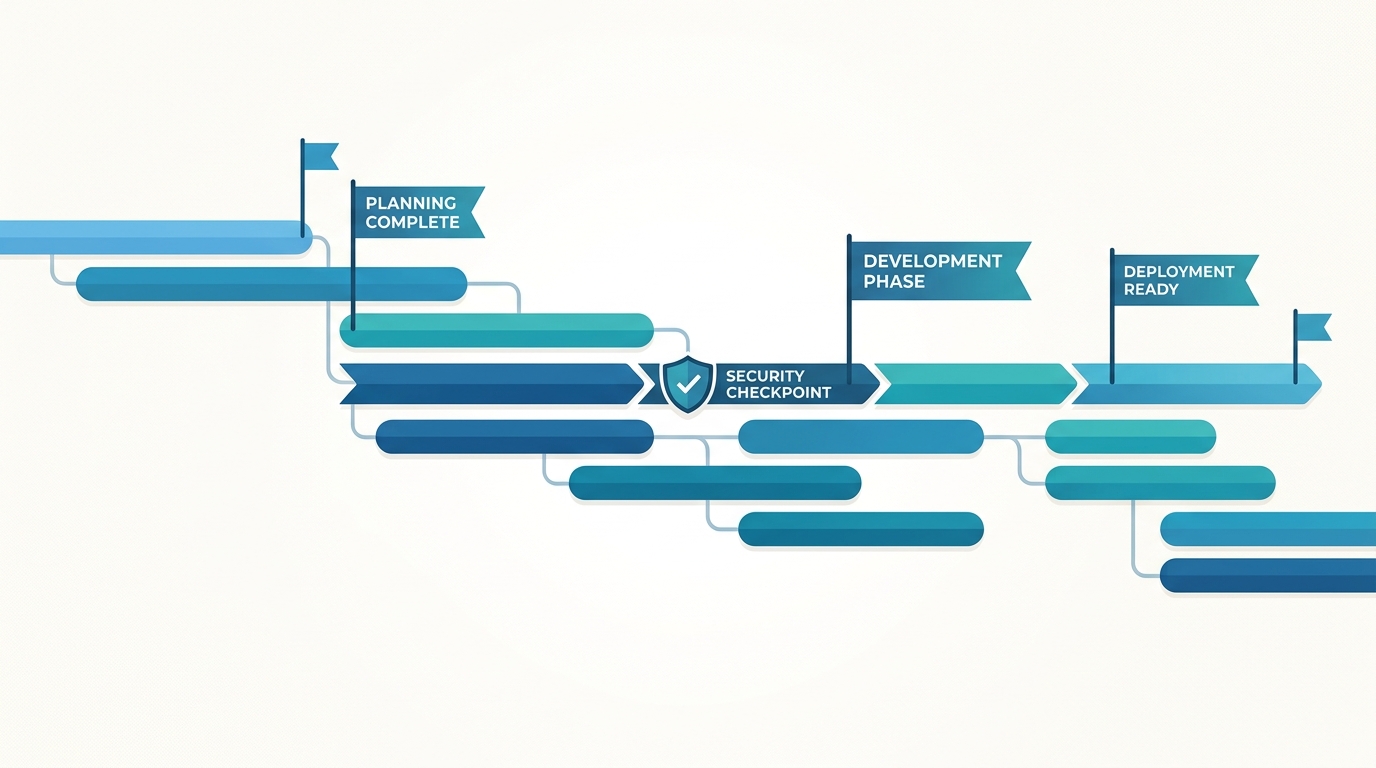
This is where project management earns its place in a series about security and engineering discipline: it's the function responsible for making sure security work has a slot in the schedule, an owner, and a deadline, the same as any feature. A team can have excellent security practices on paper and still ship insecure software if nobody planned for those practices to actually happen within the real constraints of a real deadline. Conversely, a team with a well-run project process tends to treat 'we haven't done the security review yet' as a blocker worth raising early and loudly, the same way they'd treat any other unfinished dependency, because a good project manager has built a culture where surfacing that gap early is rewarded, not punished.
Risk management is project management's native language
One of the most underappreciated overlaps between project management and security is that both disciplines are, at their core, about managing risk under uncertainty. A good project manager maintains a running risk register, a living list of things that could go wrong, how likely they are, how bad the impact would be if they happened, and what the plan is to reduce that likelihood or impact. This is, structurally, the exact same exercise as a vulnerability prioritization matrix or a threat model. The vocabulary differs; the underlying discipline of 'identify the risk, assess its severity and likelihood, decide what to do about it before it becomes a crisis' is identical.
Teams that already have strong project management habits tend to pick up security risk management faster than teams that don't, because the muscle is already built; they just have to apply it to a new category of risk. This is a genuinely useful insight for any organization trying to improve its security posture without starting from zero: look at how well your project managers already handle risk visibility and escalation, because that same infrastructure (the standing risk review meeting, the escalation path, the habit of surfacing bad news early) is exactly what a mature security practice needs, just pointed at a different set of risks.
- Good project management surfaces risk early, which is the same core instinct that makes security practices effective
- Security work that isn't explicitly scheduled with an owner and a deadline tends to get skipped under pressure
- A project's risk register and a security threat model are structurally the same exercise, just applied to different risk categories
- Teams with strong risk-surfacing project habits adapt to mature security practice faster than teams starting from zero
Common anti-patterns worth recognizing
A few recurring anti-patterns are worth naming, because they're common enough that most engineers will recognize at least one from direct experience. The first is what I'd call schedule-driven scope: a deadline gets set early, often for reasons that have little to do with the actual engineering work involved, and then everything else (testing rigor, review depth, and yes, security review) gets silently compressed to fit whatever time remains before that fixed date. The deadline was never actually renegotiated when new information came in; the quality bar just quietly dropped instead, usually without anyone explicitly deciding that it should.
A second anti-pattern is status theater: a project appears well-managed because there's a detailed tracking board, a regular status meeting, and a color-coded dashboard, but none of it actually surfaces the risks that matter until they've already become unavoidable problems. This tends to happen when the project management function optimizes for the appearance of control rather than for genuinely difficult, sometimes uncomfortable conversations about what's actually at risk and what might need to change. A dashboard that always shows green until the week something goes badly wrong isn't a project management success: it's a sign the reporting was never capturing the real risk in the first place.
A third anti-pattern, and one particularly relevant to this series, is treating security and quality work as a separate, deprioritizable track rather than as an integrated part of the same project plan. When 'the feature' and 'the security review of the feature' are tracked as two different projects with two different owners and two different timelines, it becomes trivially easy for the feature to ship while the review is still 'in progress,' because nothing in the process actually blocks that from happening. Good project management treats a security review as a dependency of the launch, not a parallel, optional track that can lag behind indefinitely.
Retrospectives as the engine of continuous improvement
If there's one single project management practice I'd recommend to any team that's implementing none of this today, it's a genuine, honest retrospective at the end of every meaningful project or delivery cycle. Not a perfunctory fifteen-minute meeting where everyone says things went fine, but a real conversation about what worked, what didn't, and, critically, what should change about how the next project is planned as a result. Retrospectives are where the lessons from a missed deadline, a security gap discovered too late, or a painful production incident actually get converted into a process change, rather than simply being felt, discussed once, and then forgotten the next time the same pressure shows up.
The organizations with the strongest continuous-improvement cultures I've seen treat the retrospective as seriously as they treat the original planning meeting, with real follow-through on the action items it produces rather than a list of good intentions that quietly disappears. This is, in a very real sense, the project management equivalent of the vulnerability management discipline covered earlier in this series: find the gap, understand its severity, and actually close it, rather than noting that it exists and moving on to the next project with the same gap still open.
Why this belongs at the end of this series
I've placed this post deliberately near the end of this series, after covering input validation, vulnerability management, and organized development process, because project management is in some sense the discipline that ties the others together. Input validation and vulnerability management are technical practices. An organized development process is what makes those practices consistent across a team. Project management is what makes sure all of it actually happens within the real constraints of real deadlines, real staffing, and real competing priorities, because a security practice that only works when there's no schedule pressure isn't actually a practice, it's a hope.
None of this requires an engineering team to suddenly love process for its own sake, or to adopt a specific named methodology because it's fashionable. It requires recognizing that the quiet, often-underappreciated work of planning, sequencing, and risk-surfacing is not separate from the technical work of building secure, high-quality software: it's the scaffolding that makes technical excellence repeatable rather than occasional. The best engineers I've worked with, and the best security outcomes I've seen, both tend to trace back to teams where that scaffolding was taken seriously, by people who understood that good project management is a form of engineering discipline in its own right.
Coming up next: Compounding Discipline: how security, process, and planning reinforce each other, and why none of them work as well in isolation as they do together.
Related posts
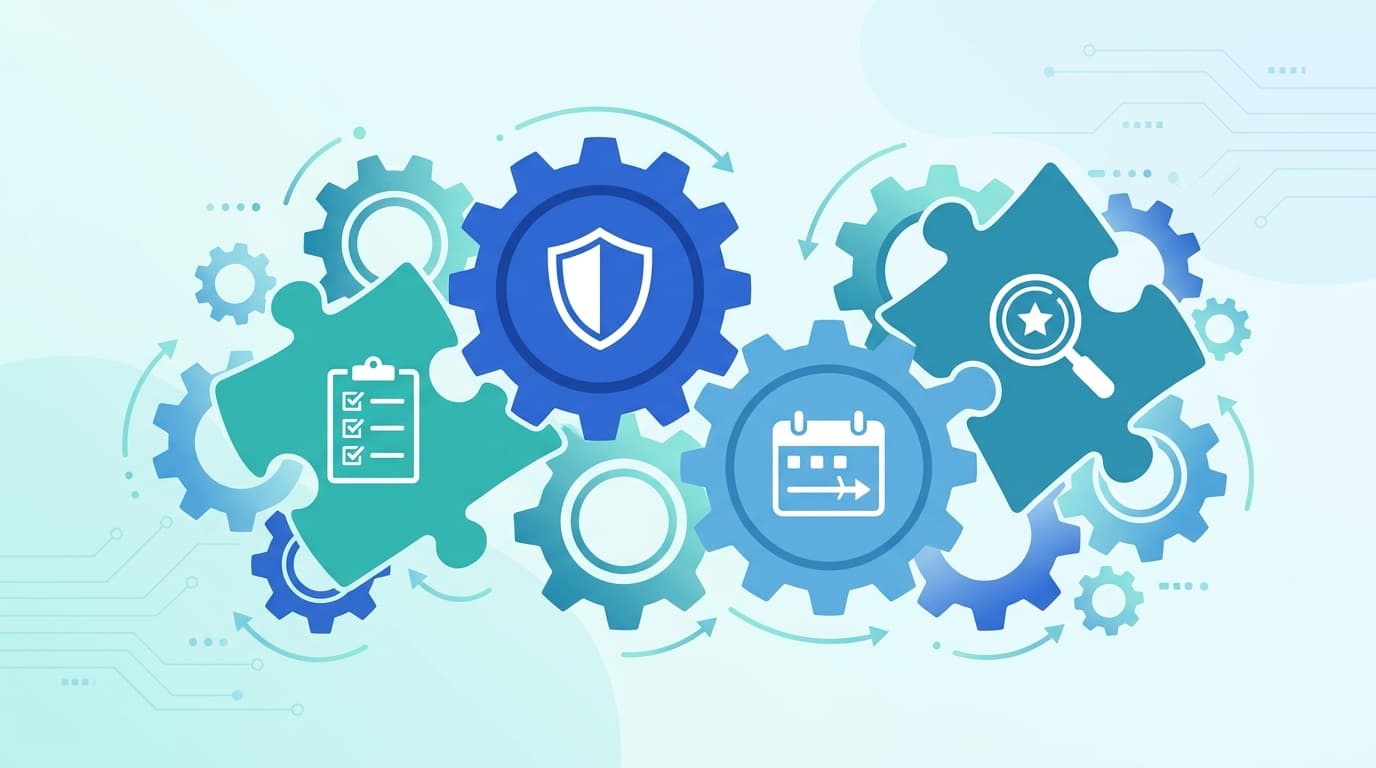
Compounding Discipline: How It All Reinforces Itself
Why security, process, and planning don't work as well in isolation as they do together

Why Cybersecurity Actually Matters
Beyond the headlines: what's really at stake, and why it's everyone's job, not just the security team's
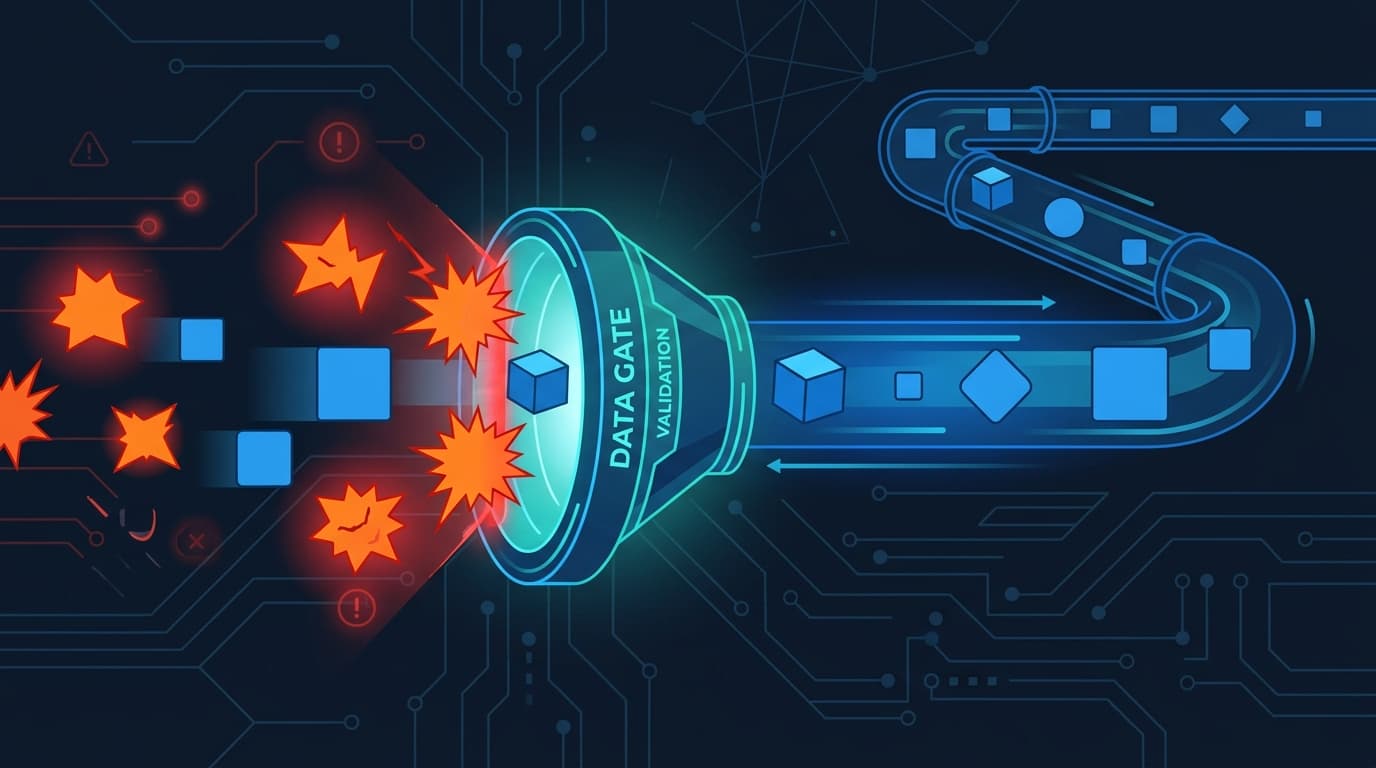
The Discipline of Input Validation
Why trusting input is how systems break, and why validation is the cheapest security control you'll ever implement
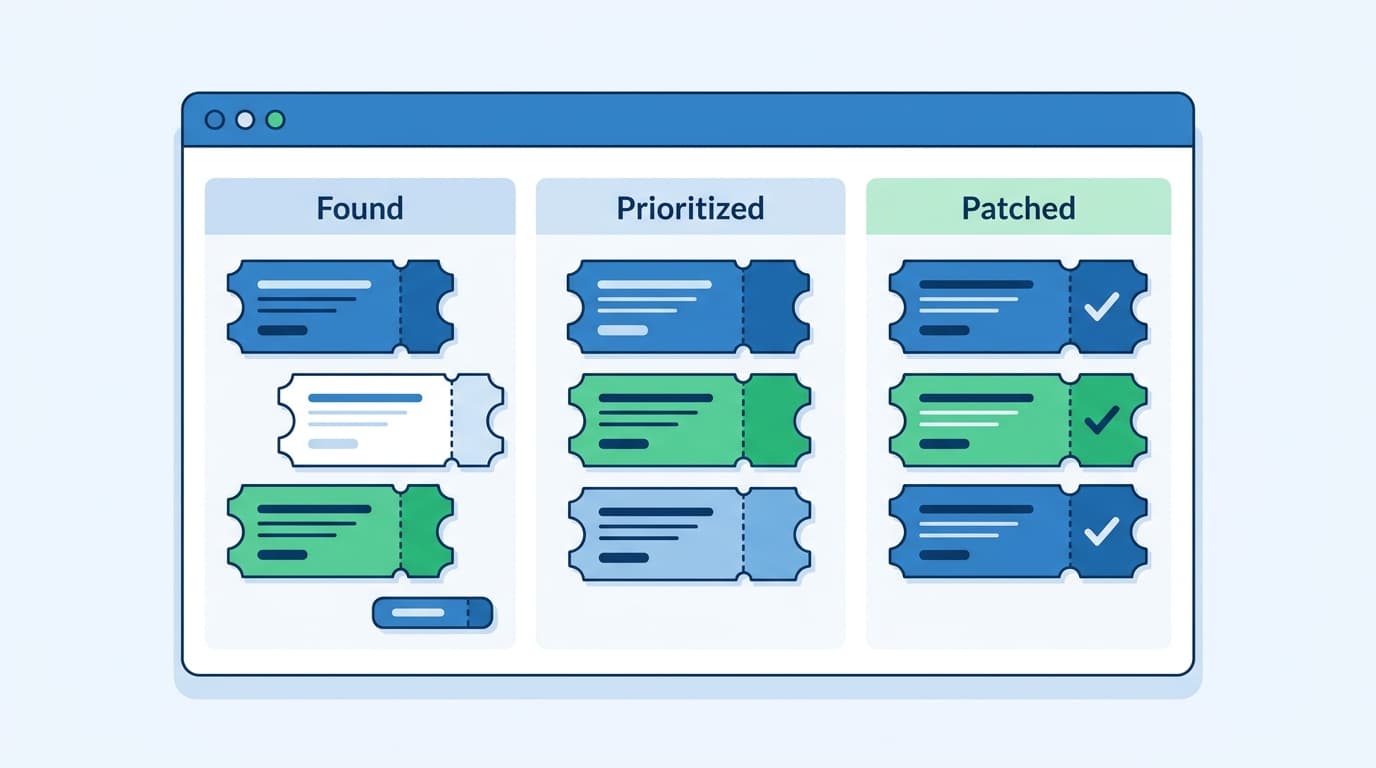
Vulnerability Management: Find It, Prioritize It, Patch It
A practical look at the unglamorous discipline that decides whether known flaws get fixed before or after they're exploited
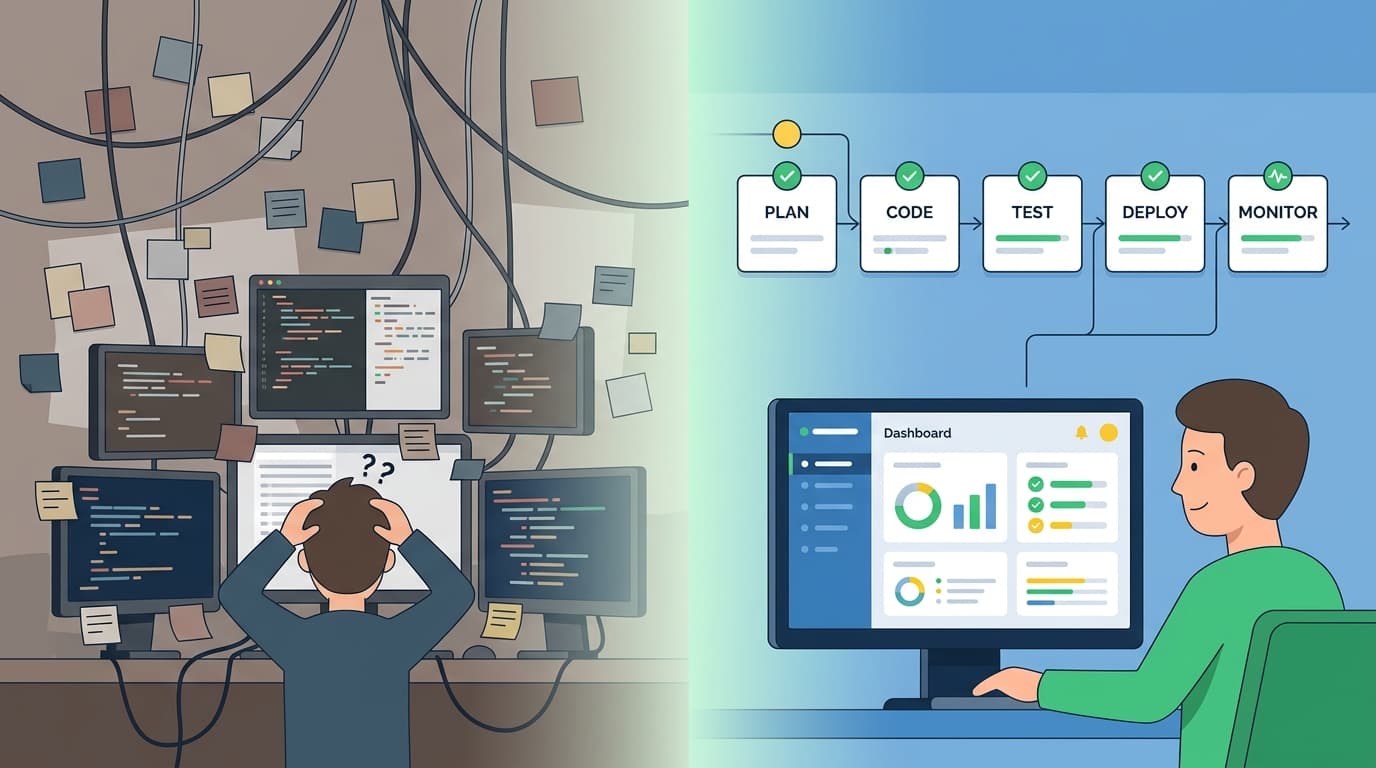
Why Process Beats Heroics in Software Development
An organized development process isn't bureaucracy; it's what keeps quality and security from depending on any one person's memory
Comments
No comments yet. Be the first.