Why Cybersecurity Actually Matters
Beyond the headlines: what's really at stake, and why it's everyone's job, not just the security team's

Cybersecurity gets talked about constantly, and yet, in my experience working across networking and security roles, it's still one of the most misunderstood disciplines in the technology world. People hear "cybersecurity" and picture a breach headline, a ransomware payout, or a firewall diagram. What they don't always see is the much quieter, much more constant work underneath: the decisions made every day, by ordinary engineers, that determine whether an organization is resilient or one bad configuration away from a very bad week.
I want to use this post to make the case for why cybersecurity matters, not as an abstract corporate obligation, but as a discipline that touches every person who designs, builds, deploys, or simply uses technology. This isn't a scare piece. It's an attempt to reframe security as something closer to structural engineering than to alarm systems: it's not just about detecting the intruder, it's about whether the building was designed to stand in the first place.
Security is not a feature you add later
One of the most persistent and most damaging ideas in technology is that security is something you bolt on once the "real" work is done. Build the product, ship the feature, get it in front of users, and then, if there's time, go back and harden it. This sequencing is backwards, and it's backwards in a way that compounds. Every design decision made without security in mind creates an assumption that later security work then has to either accept or unwind, and unwinding an assumption baked into a system's foundation is dramatically more expensive than never making it in the first place.
Think about how a building gets designed. Nobody frames a house and then asks an engineer to retrofit load-bearing walls after the fact. The structural requirements shape the design from the first sketch, because everything else depends on the building actually being able to stand. Security deserves the same status in software and network design: not a checklist applied at the end, but a constraint that shapes the architecture from the very first decision. A system designed with security as a first-class concern tends to be simpler, more predictable, and easier to reason about than one where security was retrofitted, because the retrofitted version usually carries the scar tissue of every shortcut that had to be patched over later.
Nobody frames a house and asks an engineer to add load-bearing walls afterward. Security deserves the same status: a constraint from the first sketch, not a patch at the end.
I've watched this play out concretely more than once: a team ships a feature on schedule, gets positive feedback, and moves on to the next priority, only to discover months later that adding a security control retroactively means touching nearly every part of the system that feature ever interacted with, because none of those interactions were designed with that control in mind. What would have been a single design decision at the outset becomes a multi-sprint remediation project later, competing for the same engineering time that new feature work also wants. The math almost never favors waiting, and yet the pressure to ship now and secure later remains one of the most common patterns in the industry, because the cost of waiting is invisible until it isn't.
The stakes are bigger than any one breach
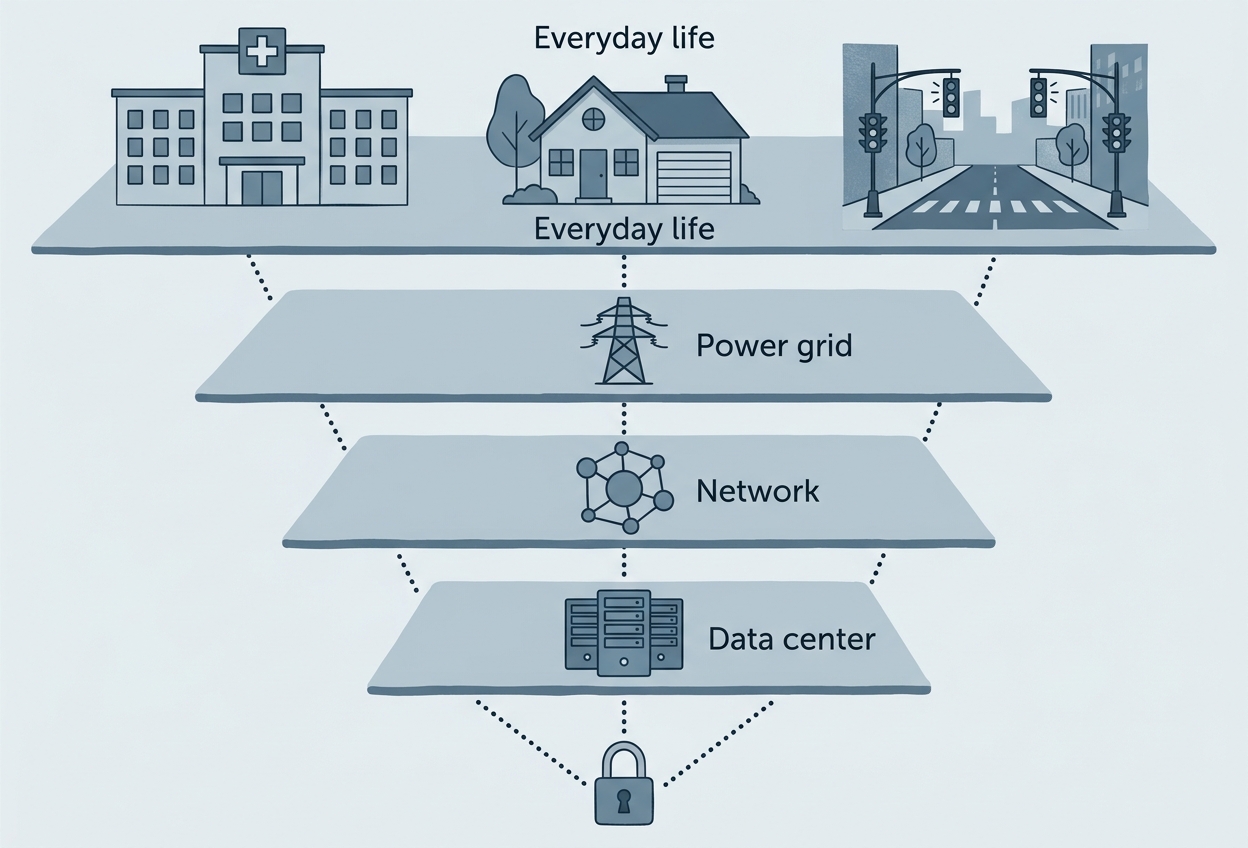
It's easy to think about cybersecurity purely in terms of individual incidents: a company gets breached, customer data leaks, a ransomware note appears on every screen in the building. Those events matter, and they're often what makes the news. But the deeper stakes are structural: modern life runs on interconnected systems that most people never think about until they fail. Power grids, hospitals, water treatment facilities, payment networks, and transportation systems all depend on software and network infrastructure that, in many cases, was never designed with today's threat landscape in mind.
When a hospital's systems go down because of ransomware, the consequence isn't an abstract data-privacy violation. It's delayed surgeries, diverted ambulances, and real physical risk to real people. When a utility's operational technology network gets compromised, the consequence can ripple out to everyone downstream of that grid. This is why I think of cybersecurity as a form of public infrastructure resilience, not just a corporate risk-management line item. The organizations that treat it that way, as something owed to the people who depend on their systems and not just to shareholders or regulators, tend to build fundamentally more trustworthy technology.
Security is a shared responsibility, not a department
Anyone who's spent time in this field has their own version of a story that made these stakes feel personal rather than abstract. Mine comes from years spent visiting client sites and troubleshooting infrastructure directly, where I saw firsthand how a single overlooked configuration or an unpatched device could sit quietly for months, invisible until the exact wrong moment. That kind of direct exposure to how fragile a network's security posture can be, hiding in plain sight behind what looks like a functioning system, is part of what shaped how seriously I take the ideas in this post.
A pattern I've seen repeatedly, across different organizations and different team structures, is the assumption that security is what "the security team" handles. Everyone else can focus on their own job, building features, closing deals, shipping releases, and security will catch whatever slips through. This model fails for a simple reason: the security team almost never has visibility into every decision made across an organization, and they certainly aren't in the room for every small architectural choice an individual engineer makes on a Tuesday afternoon.
The organizations that handle security well tend to treat it the way they'd treat a safety culture in a manufacturing plant: everyone on the floor is expected to notice a hazard and say something, not just the person with 'safety' in their title. A developer who thinks carefully about how user input flows through their code, an IT admin who patches a server the week an advisory drops instead of the quarter after, a project manager who insists a security review happens before a launch date gets locked in; all of these are security work, done by people who don't have 'security' anywhere in their job description. Cybersecurity, done well, is diffuse. It lives in habits and defaults, not just in a dedicated team's backlog.
- Security designed in from the start is cheaper and more coherent than security retrofitted later
- The stakes extend far beyond any single company: critical infrastructure and public safety increasingly depend on secure software
- Security responsibility is diffuse: it lives in the daily habits of everyone who touches a system, not only in a dedicated team
- Treating security as a shared, structural concern, rather than a department's job, is what actually moves the needle
Why this matters more now than it used to
The attack surface every organization has to defend has grown enormously, and it keeps growing. Cloud infrastructure, remote work, third-party APIs, open-source dependencies, mobile devices, and IoT sensors: every one of these expands the set of places where something can go wrong, and very few organizations have fully mapped their own exposure across all of them. At the same time, the tools available to attackers have become more accessible and more automated. It no longer takes a nation-state budget to run a credential-stuffing campaign or scan the internet for an unpatched, known vulnerability. That combination, expanding surface area paired with a falling cost of attack, is exactly why the old model of "security as an afterthought handled by a small team" is not just outdated, it's actively dangerous.
This is also why the rest of this series exists. In the posts that follow, I want to get specific about the practices that actually make a measurable difference: rigorous input validation, disciplined vulnerability management, organized development processes, and the often-underrated role of project management in making all of this stick. None of these are exotic. They're foundational, unglamorous disciplines, and in my experience, unglamorous and foundational is exactly where most of the real security value lives.
The real cost when it goes wrong
It's worth spending a moment on what's actually at stake financially and organizationally, because the numbers involved tend to surprise people who haven't looked closely. A serious security incident rarely produces a single, contained cost. There's the direct cost of incident response: forensic investigation, emergency consulting, and the engineering hours diverted from everything else to contain and remediate. There's the cost of downtime, which for anything customer-facing translates directly into lost revenue for every hour a system is unavailable. There's the regulatory cost, which in many industries and jurisdictions now includes mandatory breach notification, potential fines, and, depending on the sector, the very real possibility of losing a license or certification required to operate at all.
And then there's the cost that's hardest to put a number on but often outlasts all the others: trust. Customers, partners, and users who learn that an organization mishandled their data or failed to protect systems they depended on don't simply forget once the incident is resolved and the press cycle moves on. Trust, once damaged, tends to come back slowly if it comes back at all, and rebuilding it usually costs far more, in both money and time, than the security investment that would have prevented the incident in the first place would ever have cost. I've found this framing useful when talking to people who aren't security specialists: the question isn't really 'how much does good security cost,' it's 'how much does a bad incident cost, and how does that compare.' Framed that way, the investment almost always looks cheap in hindsight.
Common myths that leave people exposed
A handful of persistent myths do a lot of damage precisely because they sound reasonable. The first is "we're too small to be a target." This assumes attackers manually pick their victims one at a time, the way a burglar might scout a particular house. In reality, a huge share of attacks are automated and opportunistic: scanners that sweep the entire internet looking for a specific known vulnerability, phishing campaigns sent to millions of addresses at once, and credential-stuffing bots that try leaked username and password pairs against every login page they can find. Size doesn't provide protection against automation; if anything, smaller organizations are often more attractive precisely because they're statistically less likely to have invested in defenses.
The second myth is "compliance equals security." Passing an audit or meeting a regulatory framework's checklist is valuable and often necessary, but compliance frameworks describe a baseline, not a ceiling, and they're frequently a step or two behind the current threat landscape by the time they're finalized and adopted. An organization can be fully compliant with every applicable standard and still have serious, exploitable gaps that no checklist happened to ask about. The third myth, closely related to both of the others, is "this is an IT problem." Framing security as purely a technical, IT-department concern obscures how much of an organization's actual exposure comes from decisions made in product design, vendor selection, hiring, and everyday employee behavior, none of which sit inside a traditional IT department's remit, and all of which shape an organization's real attack surface just as much as its firewall configuration does.
If there's one idea I'd want a reader to take from this post, it's this: cybersecurity isn't a specialty you can outsource to a team down the hall, and it isn't a box you check once a year during an audit. It's a way of thinking about every decision you make when you build something that other people will depend on. The rest of this series is an attempt to make that way of thinking concrete.
Coming up next: The Discipline of Input Validation: why the single most common root cause of security incidents is also one of the most preventable.
Related posts
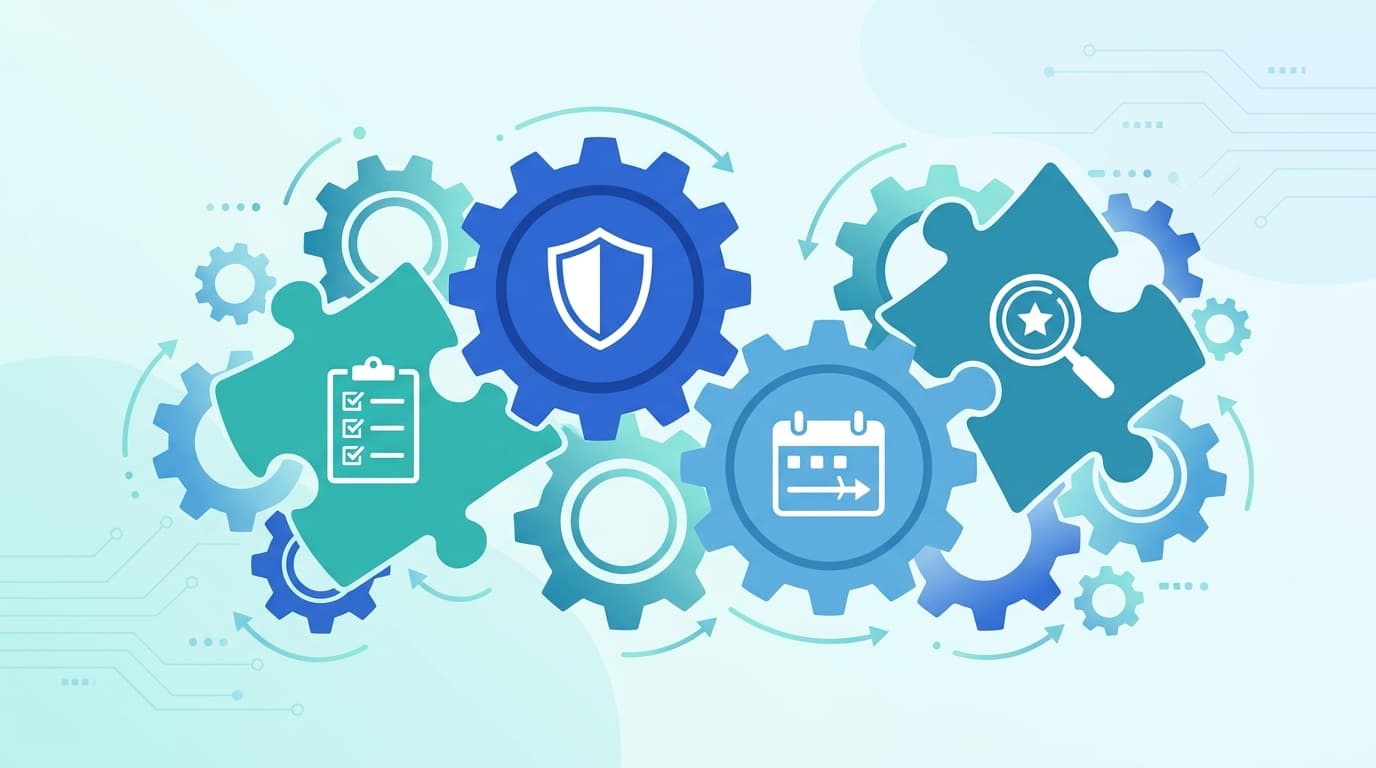
Compounding Discipline: How It All Reinforces Itself
Why security, process, and planning don't work as well in isolation as they do together
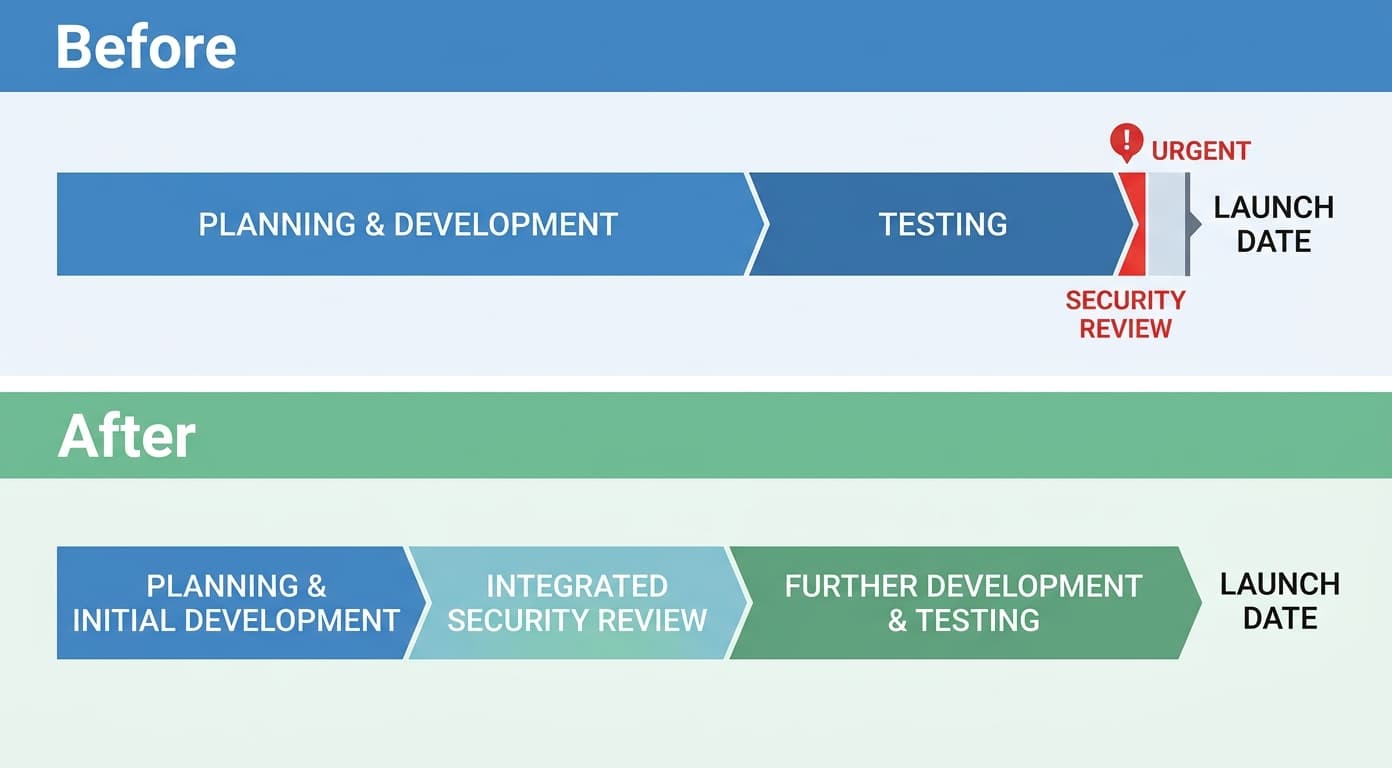
The Overlooked Power of Project Management in Engineering
Why the discipline that keeps a project organized is, quietly, also a security and quality discipline
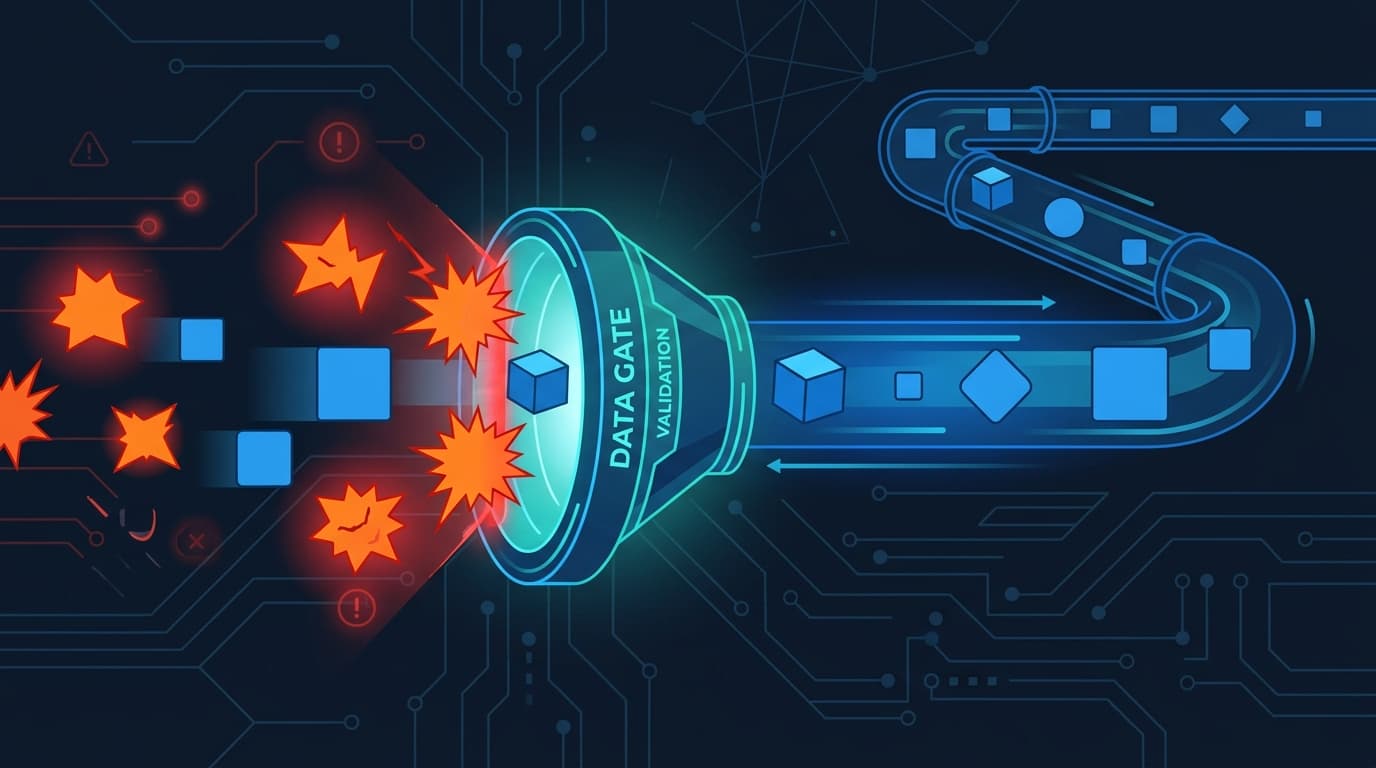
The Discipline of Input Validation
Why trusting input is how systems break, and why validation is the cheapest security control you'll ever implement
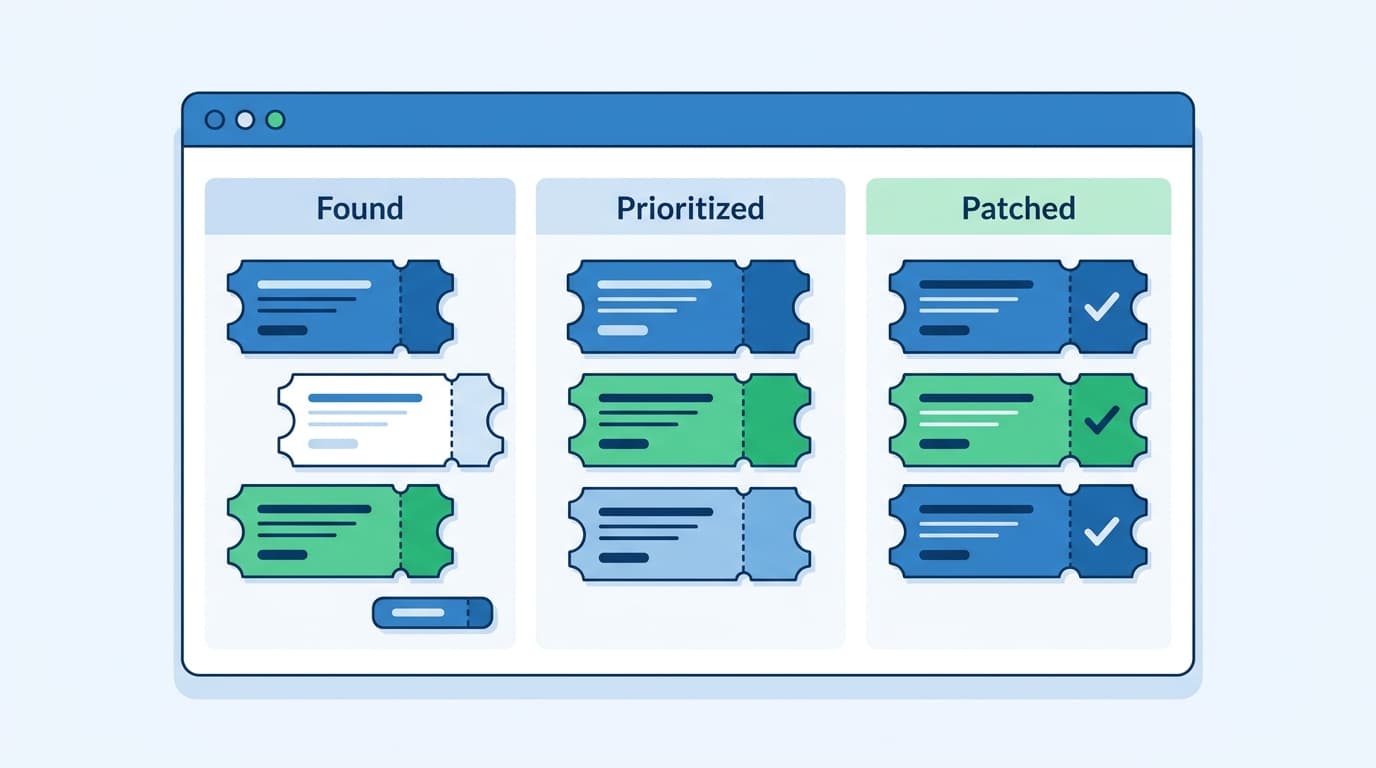
Vulnerability Management: Find It, Prioritize It, Patch It
A practical look at the unglamorous discipline that decides whether known flaws get fixed before or after they're exploited
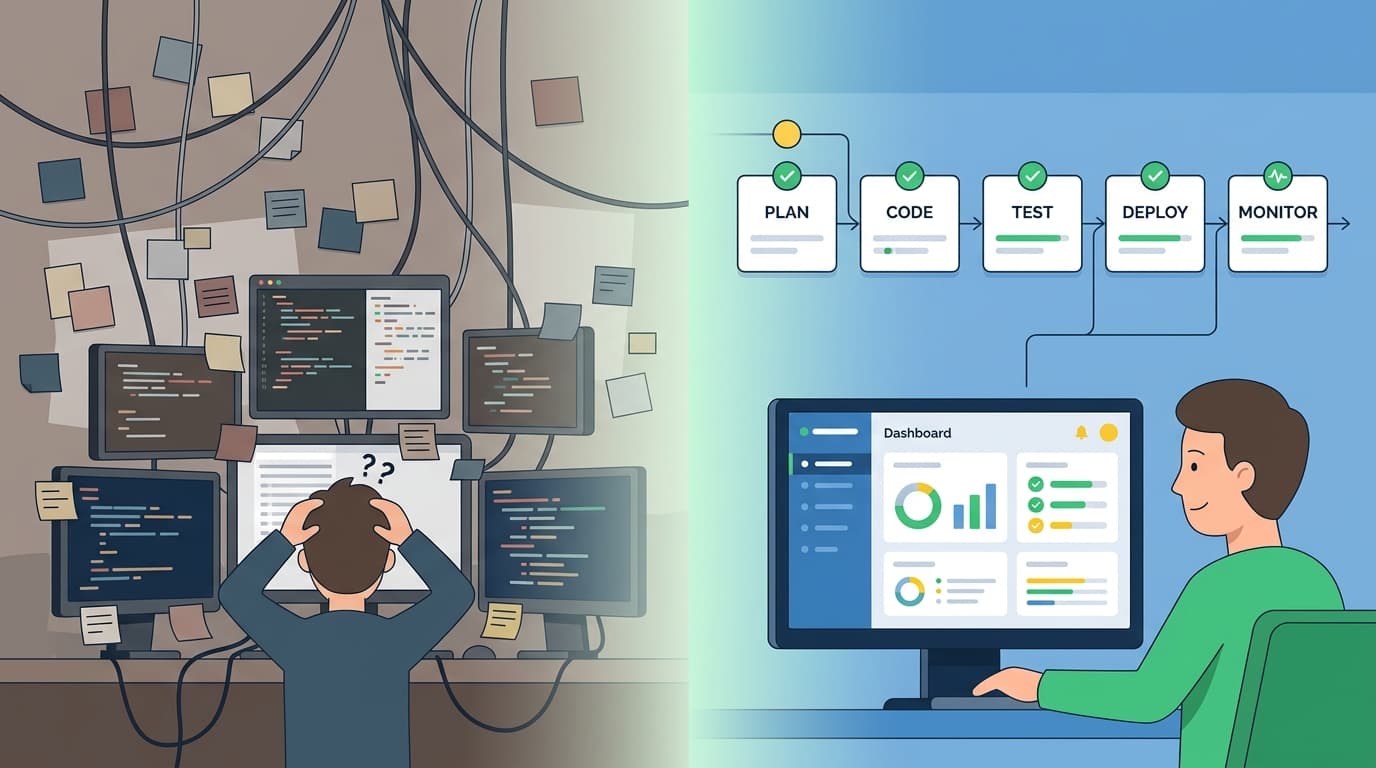
Why Process Beats Heroics in Software Development
An organized development process isn't bureaucracy; it's what keeps quality and security from depending on any one person's memory
Comments
No comments yet. Be the first.